Circulating tumor cells (CTCs) are tumor cells that are shed into circulation and travel through the blood into distant tissues, leading to cancer metastases. Although researchers have studied CTCs extensively since their initial discovery in 1869, their role in cancer diagnostics has been limited due to challenges in isolating these ultra-rare cells. In terms of clinical utility, circulating tumor DNA (ctDNA) has largely surpassed CTC applications; however, recent technological advances in rare-cell collection has reinvigorated CTC research. Improvements in CTC isolation and analysis could enhance their role in cancer diagnostics and monitoring, while the inherent biological properties of CTCs could offer insights into tumor heterogeneity, cancer biomarkers, the metastatic cascade, and treatment decisions in a minimally invasive manner. In a recent overview, Dr Charles Dai, et al, explored new directions likely to impact the understanding and application of CTCs to improve cancer therapies over the next several years.
Studies have shown that high numbers of CTCs generally correlate with more extensive disease and adverse clinical outcomes. These CTCs can reflect traffic between metastatic sites, adding to the genetic complexity of all tumors. During cancer treatment, CTCs may reflect new mutations during progression or development of drug resistance. Research has shown that some CTCs travel in clusters, ranging from doublets to dozens of cancer cells tethered together. Multicellular clusters are more common in advanced cancers and are correlated with adverse survival. Very large clusters may comprise “microemboli” that are visible histologically in tissue sections, while smaller clusters appear to travel unimpeded through capillary beds. Bioengineered models have found CTC clusters can align as a single row as they transverse narrow lumens and then reassemble as a three-dimensional cluster upon exit, potentially facilitating their ability to effectively circulate in the blood and adhere and extravasate at distal sites. Hematopoietic cells have been found as primary components of CTC clusters and can directly and indirectly modulate CTC-mediated tumorigenesis.
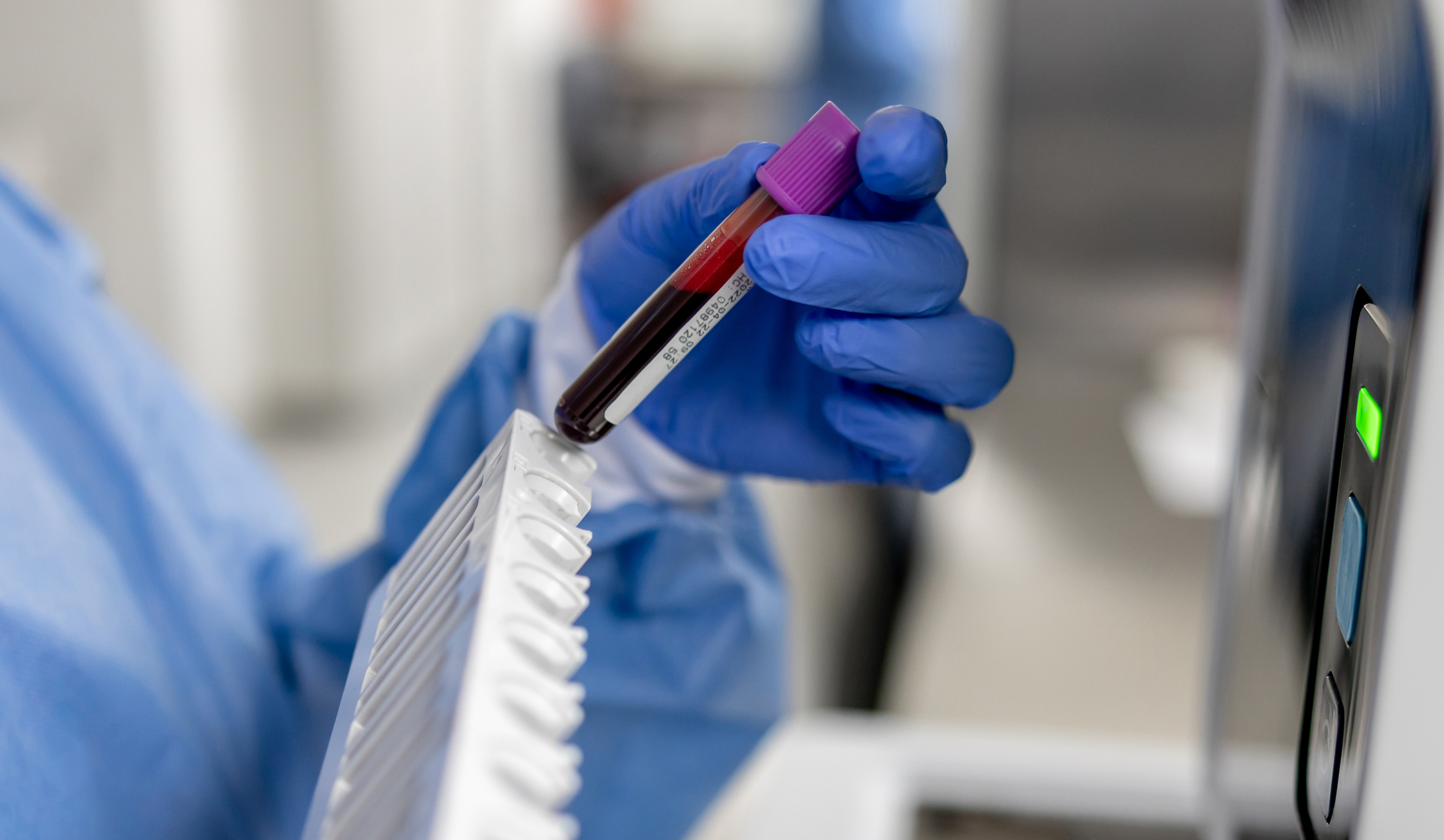
Unlike ctDNA-based assays, which are readily available and play a growing role in molecular monitoring of cancer, the clinical promise of CTCs has been limited by technological challenges in rare cell enrichment. One of the inherent barriers to CTC analyses is the very small number of CTCs in a standard tube of blood. Millions of CTCs are typically shed daily into the circulation per gram of tumor tissue during cancer progression, yet CTCs comprise only a minute fraction of total cells present in blood. Early technologies identified 1 to 10 CTCs in a standard 7.5 mL tube of blood (approximately 37 million blood cells) from a sampling of patients with advanced metastatic cancer.
Isolation of CTCs depends upon complex technical processes to isolate them from phenotypically similar white blood cells. The varying sensitivity of downstream CTC analyses requires varying levels of cell enrichment. Multiple approaches have been explored to overcome this issue, including interrogation of larger blood volumes and using novel technologies. Combined with sophisticated molecular analytics, this may provide new opportunities to assess CTCs in research and clinical practice. New research has also introduced new avenues for deploying ctDNA and CTC-based biomarkers as complementary liquid biopsy technologies.
The authors explored several CTC enrichment technologies, including direct visualization of CTCs, CTC capture based on size or physical properties, immunoselection of CTCs, and negative depletion technologies, which involve depleting well-characterized blood cell components, thereby enriching for untagged CTCs. Through the convergence of advanced bioengineering and microfluidics methods, it is possible these technologies will be able to isolate enough CTCs to support early cancer identification and real-time cancer sensitivity monitoring for a range of therapies, such as immune checkpoint blockade, bispecific antibodies, antibody-drug conjugates, antibody-radionuclides, as well as CAR-T and other cellular immunotherapies. Understanding the intrinsic biological properties of CTCs may ultimately lead to effective anti-metastatic therapeutics.
High level
Development of progressively sophisticated isolation, imaging, and molecular readouts are poised to generate unique information to inform cancer diagnostics and monitoring using circulating tumor cells (CTCs), especially when the cancer is progressing. However, limited input of tumor material (ie, the small number of individual CTCs in a standard tube of blood) remains challenging for non-centralized laboratories. Therefore, interrogation of larger blood volumes using novel technologies may be necessary to improve upon the utility of CTC-based diagnostics. Future research is needed to understand the broad feasibility and better define the potential roles of CTCs in early detection of cancer and therapeutic monitoring.
Ground level
The enrichment of greater numbers of CTCs using advanced methodologies will potentially provide clinically relevant insights into the potential therapy sensitivities and clonal evolution of cancer patient risk stratification, and the likelihood for benefit with cancer immunotherapies. Future applications include early cancer detection and molecular characterization of minimal residual disease and may complement current ctDNA-based analyses, supporting improvements in liquid biopsies for patient care. Similar to the role of ctDNA-based sequencing in the monitoring of mutation-based targeted therapies, it is expected that CTC analyses—which also allow for histologic and protein expression insights— may be used in the rapidly evolving world of immune-based therapies such as antibody-drug conjugates. There is also potential for CTCs to eventually circumvent the need for invasive tumor biopsies.