
News & Resources

Advances in the Study of Circulating Tumor Cells

Circulating tumor cells (CTCs) are tumor cells that are shed into circulation and travel through the blood into distant tissues, leading to cancer metastases. Although researchers have studied CTCs extensively since their initial discovery in 1869, their role in cancer diagnostics has been limited due to challenges in isolating these ultra-rare cells. In terms of clinical utility, circulating tumor DNA (ctDNA) has largely surpassed CTC applications; however, recent technological advances in rare-cell collection has reinvigorated CTC research. Improvements in CTC isolation and analysis could enhance their role in cancer diagnostics and monitoring, while the inherent biological properties of CTCs could offer insights into tumor heterogeneity, cancer biomarkers, the metastatic cascade, and treatment decisions in a minimally invasive manner. In a recent overview, Dr Charles Dai, et al, explored new directions likely to impact the understanding and application of CTCs to improve cancer therapies over the next several years.

Studies have shown that high numbers of CTCs generally correlate with more extensive disease and adverse clinical outcomes. These CTCs can reflect traffic between metastatic sites, adding to the genetic complexity of all tumors. During cancer treatment, CTCs may reflect new mutations during progression or development of drug resistance. Research has shown that some CTCs travel in clusters, ranging from doublets to dozens of cancer cells tethered together. Multicellular clusters are more common in advanced cancers and are correlated with adverse survival. Very large clusters may comprise “microemboli” that are visible histologically in tissue sections, while smaller clusters appear to travel unimpeded through capillary beds. Bioengineered models have found CTC clusters can align as a single row as they transverse narrow lumens and then reassemble as a three-dimensional cluster upon exit, potentially facilitating their ability to effectively circulate in the blood and adhere and extravasate at distal sites. Hematopoietic cells have been found as primary components of CTC clusters and can directly and indirectly modulate CTC-mediated tumorigenesis.

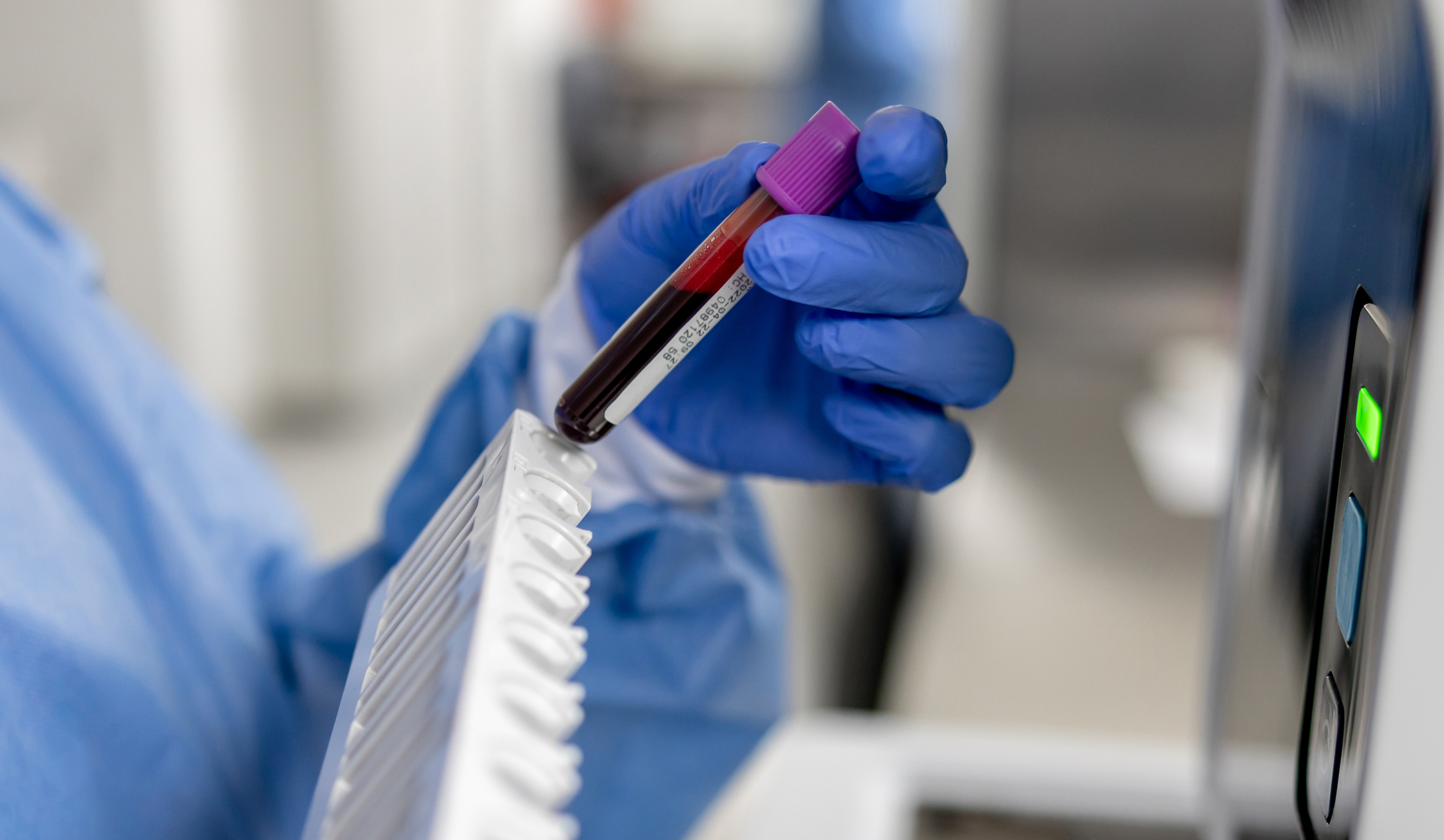
Unlike ctDNA-based assays, which are readily available and play a growing role in molecular monitoring of cancer, the clinical promise of CTCs has been limited by technological challenges in rare cell enrichment. One of the inherent barriers to CTC analyses is the very small number of CTCs in a standard tube of blood. Millions of CTCs are typically shed daily into the circulation per gram of tumor tissue during cancer progression, yet CTCs comprise only a minute fraction of total cells present in blood. Early technologies identified 1 to 10 CTCs in a standard 7.5 mL tube of blood (approximately 37 million blood cells) from a sampling of patients with advanced metastatic cancer.

Isolation of CTCs depends upon complex technical processes to isolate them from phenotypically similar white blood cells. The varying sensitivity of downstream CTC analyses requires varying levels of cell enrichment. Multiple approaches have been explored to overcome this issue, including interrogation of larger blood volumes and using novel technologies. Combined with sophisticated molecular analytics, this may provide new opportunities to assess CTCs in research and clinical practice. New research has also introduced new avenues for deploying ctDNA and CTC-based biomarkers as complementary liquid biopsy technologies.

The authors explored several CTC enrichment technologies, including direct visualization of CTCs, CTC capture based on size or physical properties, immunoselection of CTCs, and negative depletion technologies, which involve depleting well-characterized blood cell components, thereby enriching for untagged CTCs. Through the convergence of advanced bioengineering and microfluidics methods, it is possible these technologies will be able to isolate enough CTCs to support early cancer identification and real-time cancer sensitivity monitoring for a range of therapies, such as immune checkpoint blockade, bispecific antibodies, antibody-drug conjugates, antibody-radionuclides, as well as CAR-T and other cellular immunotherapies. Understanding the intrinsic biological properties of CTCs may ultimately lead to effective anti-metastatic therapeutics.


High level

Development of progressively sophisticated isolation, imaging, and molecular readouts are poised to generate unique information to inform cancer diagnostics and monitoring using circulating tumor cells (CTCs), especially when the cancer is progressing. However, limited input of tumor material (ie, the small number of individual CTCs in a standard tube of blood) remains challenging for non-centralized laboratories. Therefore, interrogation of larger blood volumes using novel technologies may be necessary to improve upon the utility of CTC-based diagnostics. Future research is needed to understand the broad feasibility and better define the potential roles of CTCs in early detection of cancer and therapeutic monitoring.


Ground level

The enrichment of greater numbers of CTCs using advanced methodologies will potentially provide clinically relevant insights into the potential therapy sensitivities and clonal evolution of cancer patient risk stratification, and the likelihood for benefit with cancer immunotherapies. Future applications include early cancer detection and molecular characterization of minimal residual disease and may complement current ctDNA-based analyses, supporting improvements in liquid biopsies for patient care. Similar to the role of ctDNA-based sequencing in the monitoring of mutation-based targeted therapies, it is expected that CTC analyses—which also allow for histologic and protein expression insights— may be used in the rapidly evolving world of immune-based therapies such as antibody-drug conjugates. There is also potential for CTCs to eventually circumvent the need for invasive tumor biopsies.

Therapeutic Area

Archives

Matthew Gordon

VP, Real-World Evidence
Matthew has more than 25 years of experience in real-world evidence and observational, non-interventional research. He has led studies across the full life cycle—from startup through publication—supporting objectives that range from understanding a disease’s natural history to fulfilling global safety surveillance requirements. Matthew brings deep expertise in orphan disease programs, having overseen more than 25 long-term, global initiatives, as well as in disease and product registries, prospective pharmacoeconomic studies, and systematic literature reviews. Matthew leads the RWE Registries team, responsible for building the business and team. Prior to joining Aptitude Health, he held senior leadership roles at Parexel, Worldwide Clinical Trials, inVentiv Health Clinical, Quintiles Outcome, and ICON Clinical Research. Matthew holds a BA in sociology from Boston University, is a long-standing member of the International Society for Pharmacoeconomics and Outcomes Research (ISPOR), and is a frequent speaker at ISPOR, the Center for Business Intelligence, and related industry conferences.

Gerald Stanvitch, PhD

VP, Scientific Content

Cate Browning, PhD

VP, Global Medical Affairs

Erin Zingales Rau

VP, Account Services

Kelly Kocor

VP, People & Culture
Kelly leads both the human resources and talent acquisition teams, ensuring that Aptitude Health attracts, retains, and develops top personnel to drive our continued success. With over 17 years of experience transforming global HR initiatives, Kelly is an expert in harmonizing HR policies and fostering a culture of engagement and partnership. She is committed to partnering with all areas of the business to ensure full regulatory compliance and delivering value-added services to our organization and its people. Kelly is passionate about developing and implementing HR strategies that help support our employees’ professional and personal growth. She is dedicated to fostering a culture that encourages innovation, collaboration, and inclusivity, helping Aptitude Health continue to be a great place to work.

Bart Zygmond

VP, Finance
Bart brings a wealth of experience to the organization, having worked in the life sciences, pharmaceuticals, manufacturing, and service industries. With his expertise in financial reporting, US GAAP, SOX, cash flow modeling, and financial analysis, he plays a crucial role in the company’s financial management and strategy. Prior to joining Aptitude Health as VP, Finance, Bart held several controller positions: at Q2 Solutions, he oversaw the global finance team and financial operations, ensuring the accurate and timely financial reporting of the company. He also held controller positions at Domtar Inc and Veristat.

Eugene Vissers, MD

Senior VP, Global Scientific Content
Eugene is a seasoned medical doctor with over 20 years of international experience in pharma, consultancy, and agency environments. Eugene leads the US team of dedicated experts responsible for developing high-quality medical content. Prior to joining Aptitude Health, Eugene served as medical director at Ipsen and AstraZeneca. With both his medical degree and an MBA, Eugene brings a unique perspective to his role. His clinical background, combined with his business acumen, allows him to develop innovative strategies that drive results. Under Eugene’s leadership, the medical content team delivers scientific information of the highest quality, providing valuable insights to our clients around the world.

Adrian Barfield

VP, US Business Development

Kelley Hernandez

Executive VP, US Business Development
Kelley has over 18 years of experience in the oncology space. Kelley joined Aptitude Health after working with Cardinal Health, where she was part of the Healthcare and Analytics Division, and finished her tenure there with VitalSource™ (GPO division). As the leader of the strategic business development team for the US, Kelley brings a wealth of expertise to the organization. Her experience in the healthcare industry, combined with her ability to identify and capitalize on new business opportunities, is invaluable in driving the company’s growth and success. Kelley’s dedication to building strong relationships with life science partners is a testament to her commitment to delivering exceptional value to the healthcare industry.

Adam Sinensky, MBA

Chief Technology Officer

Adam has over 20 years of experience in the healthcare industry and an MBA in healthcare management. After 10 years as a strategy consultant to life science companies, Adam has spent the last decade as a product and strategy leader focused on bringing technology products to market across the payor, provider, and life sciences segments. By combining his business acumen and experience working directly with software developers, engineers, and data scientists, Adam has successfully led numerous product launches and enhancements from ideation to development and go-to-market initiatives. His product and change management expertise has led organizational shifts from services to technology at companies such as Change Healthcare and Datavant/Ciox. At Aptitude Health, Adam is responsible for growing our portfolio of product offerings by leveraging real-world data and artificial intelligence with our existing solutions and industry-leading Axess Network of healthcare providers. He also oversees our IT and cybersecurity teams.

Stefanie Daniels

Chief Commercial Officer

Stefanie is a seasoned healthcare executive with over 20 years of experience in oncology. She brings a wealth of knowledge and expertise to the organization. Stefanie joined Aptitude Health after spending over a decade as a senior director at Physicians’ Education Resource, an oncology CME vendor. During her tenure, she led and managed teams responsible for grant development/acquisition, program creation/execution, and faculty management. Stefanie’s deep understanding of the oncology industry and her ability to lead teams through complex projects make her a vital part of the organization’s success. Her dedication to providing high-quality solutions to our life science partners is a testament to her commitment to improving cancer patient care.

Jason Cash

Chief Financial Officer

Jason is an accomplished finance professional with over 20 years of experience in the pharmaceutical services industry. Throughout his career, he has demonstrated a keen ability to navigate high-growth organizations, delivering exceptional results. Before joining Aptitude Health, Jason served as the CFO of Veristat International, a global contract research organization. In this role, he led the financial strategy and played a pivotal role in driving the company’s growth and success. Jason’s wealth of experience and expertise in financial management make him an essential member of the leadership team. His strategic thinking and ability to drive results are highly respected within the industry.

Jez Moulding

Chief Executive Officer
Jez is a seasoned leader with over 20 years of experience in general management and regional president roles. He has a proven track record of success in the healthcare industry, having worked in the US, Japan, Australia, Korea, South Africa, France, and the UK for Sanofi, where he supported the launch of 10 new drugs across various therapeutic areas. As chief commercial officer at UDG Healthcare and EVP at Ashfield, Jez demonstrated his expertise in developing and implementing successful business strategies. He joined Aptitude Health from Pharmaspectra, an IQVIA business, where he served as CEO since 2018. Jez’s extensive experience in the pharmaceutical industry and his leadership skills make him an invaluable asset to the organization.
Aptitude Health
Privacy Overview

This website uses cookies so that we can provide you with the best user experience possible. Cookie information is stored in your browser and performs functions such as recognising you when you return to our website and helping our team to understand which sections of the website you find most interesting and useful.