
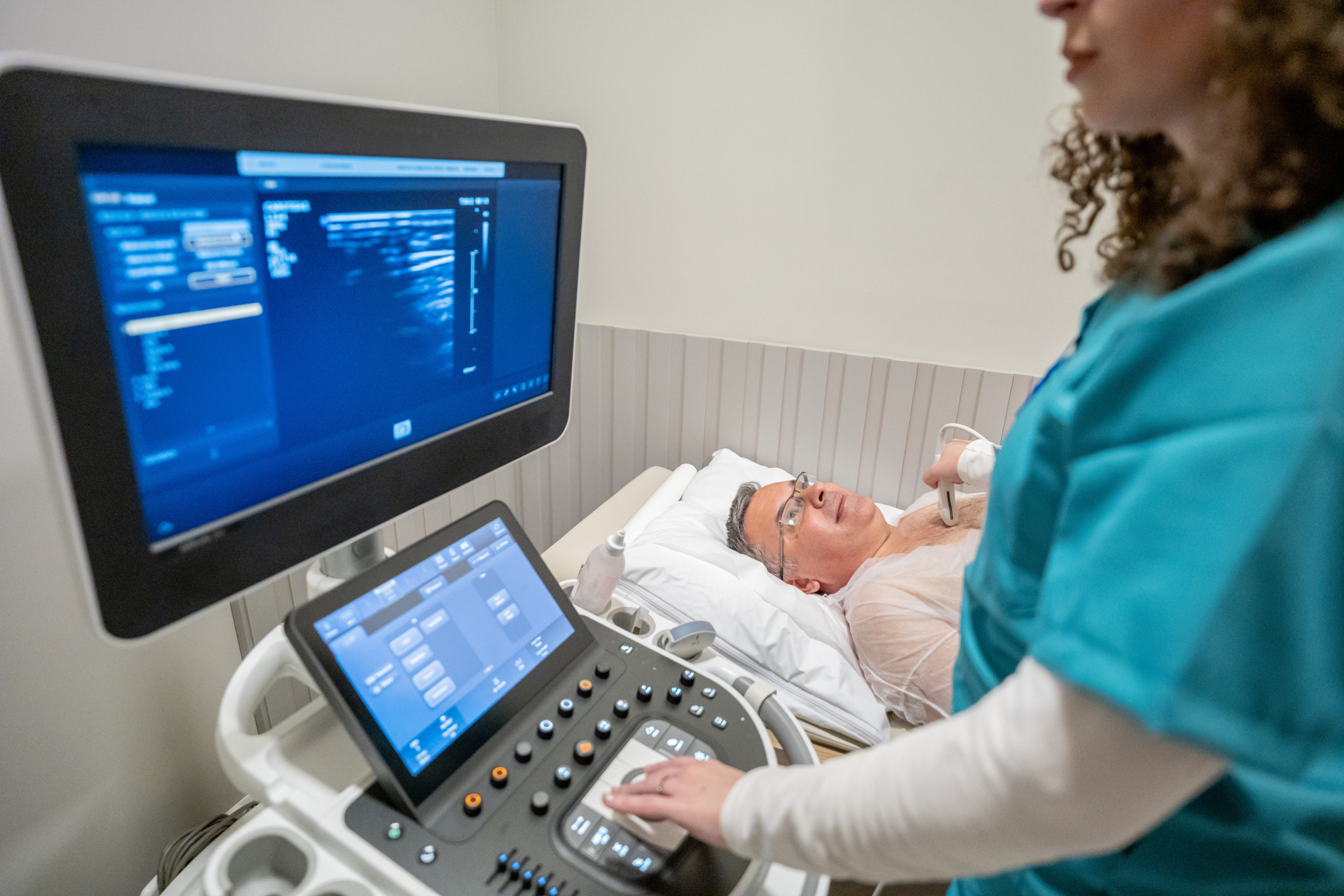
Significant progress in cancer treatments has improved patient survival, but with that success comes increases in long-term complications such as cardiovascular (CV) toxicities from cancer and its treatment. The rising co-occurrence of CV disease (CVD) and cancer has led to the emergence of cardio-oncology, a field of study founded in the bidirectional relationship between these conditions that complicates treatment strategies and patient outcomes. As such, the European Society of Cardiology and the Heart Failure Society of America have issued guidance for cardio-oncology care. Recently, 2 important reviews that capture the current best practices in cardio-oncology were published: an extensive and robust summary of current knowledge and future perspectives for research (published in Physiological Reviews), and an in-depth exploration of the mechanisms, diagnostics, and emerging therapeutics for cancer-induced cardiac dysfunction (published in Cancers). Important details from these publications is highlighted herein.
Effects of Cancer and Cancer Therapies on CV Health
Cardiac dysfunction is emerging as a challenge for cancer survivors and results from both the physiologic stress imposed by the malignancy and the cardiotoxic effects of cancer treatments. Many cancer treatments have direct and indirect CV toxicities, including not only cytotoxic chemotherapies, but also targeted cancer therapies (especially human epidermal growth factor receptor 2-directed therapies, as this receptor is widely expressed in cardiac tissue), immunotherapies (including immune checkpoint inhibitors and chimeric antigen receptor T-cell therapies, both of which can exacerbate inflammation), hormonal therapies (eg, estrogenic effects on CV health), and radiotherapy. In addition to treatment toxicities, cancer itself has widespread impacts on nearly every tissue and organ in the body, including the heart. Tumors release cytokines and reactive oxygen species (ROS) that ravage CV structures throughout the body. Cytokines can exert significant stress on, and ROS cause direct oxidative damage to, vascular and myocardial tissue. Moreover, cachexia, a severe loss of muscle and fat tissue, can result from cancer-related metabolic decline, often exacerbated by therapy-related toxicities. Cachexia contributes to dysfunction in multiple organs, especially the heart and liver. These factors, along with neurohormonal signals, trigger a systemic inflammatory cascade that can significantly impact the heart, contributing to myocardial atrophy, fibrosis, and impaired cardiac function. There is also emerging evidence that gut microbiota may influence cardiac health in patients with cancer. Chemotherapy and radiation disrupt the gut microbial ecosystem, amplifying systemic inflammation and metabolic dysfunction.
Shared Risk Factors for Cancer and CVD
Cancer and CVD have in common numerous modifiable and nonmodifiable risk factors, such as smoking, obesity, physical inactivity, hypertension, dyslipidemia, aging, and genetic predisposition. More specifically, systemic factors such as obesity and metabolic syndrome contribute to a chronic proinflammatory and profibrotic environment, predisposing patients to cardiac dysfunction while amplifying the cardiotoxic effects of cancer therapies. For example, age-associated mutations in hematopoietic stem cells are linked to clonal hematopoiesis of indeterminate potential (as discussed in a previous Aptitude Health blog), a condition linked to both CVD and cancer. Additionally, individuals with BRCA1/2 mutations may have increased predisposition to coagulation disorders, independent of cancer. In terms of shared underlying signaling, angiotensin II plays a large role in cancer metastasis and may contribute to cardiac impairment by reducing circulating insulin-like growth factor 1 and modulating matrix metalloproteinase activation.
CVD as a Potential Risk Factor for Cancer
Several potential systemic manifestations of CVD have been shown to promote oncogenesis. For example, myocardial infarction-induced heart failure stimulates growth of both colon and breast cancers in preclinical systems; pressure overload-induced cardiac remodeling accelerates breast and lung tumor growth; and extracellular vesicles from failing cardiac tissue stimulate tumor growth.
Clinical Implications
Authors of both publications note that, given the bidirectional relationship between CVD and cancer, continuous and comprehensive cardiac monitoring is essential for patients undergoing cancer treatment. Effective management demands a comprehensive, multidisciplinary approach that combines evidence-based pharmacologic interventions, targeted interventional strategies, and lifestyle modifications. They state that while established CV agents (such as statins, angiotensin-converting enzyme inhibitors, beta blockers, and dexrazoxane) have demonstrated cardioprotective capacities for patients undergoing cancer treatments, oncologists should remain up-to-date on breakthroughs in CVD. Emerging therapies such as endothelin receptor blockers, antioxidants, and other novel approaches might further prevent, attenuate, or reverse cancer therapy-induced cardiac injury. As cancer treatments continue to advance, continued cardio-oncology research is crucial to improve long-term CV outcomes and quality of life for patients with cancer and cancer survivors.
High level
Guideline updates, screening protocols, and real-time data on the co-occurrence of cancer and CVD are essential to inform diagnosis, treatment, and prognosis in the clinic. Because the emergence of the cardio-oncology field is somewhat recent, there are several gaps in research that remain. Large-scale, multicenter clinical trials are needed to
- Delineate the characteristics of individuals prone to experience both diseases, pinpoint early predictive biomarkers for both CVD and cancers, and refine patient treatment strategies
- Deepen understanding of shared mechanisms and molecular pathways underlying both CVD and cancer pathogenesis
- Develop innovative diagnostic tools and targeted interventions to address the root causes of CVD and effectively manage CV complications in patients with cancer
Ground level
Clinical practice is evolving with the emergence of cardio-oncology research and evidence. Collaborations between cardiologists and oncologists in clinical practice have become essential for improving outcomes for at-risk patients. On the basis of current knowledge, cardiologists and oncologists have suggested that comprehensive CV health management in patients with cancer should begin at the point of cancer diagnosis. They recommend that prior to initiating cancer therapies known to impact the heart, clinicians should comprehensively assess and manage any preexisting cardiac conditions or risk factors. Continuous, comprehensive cardiac monitoring with technologies such as echocardiography, cardiac biomarkers, and cardiac magnetic resonance imaging throughout cancer treatment are therefore essential for the long-term CV health of cancer survivors.