
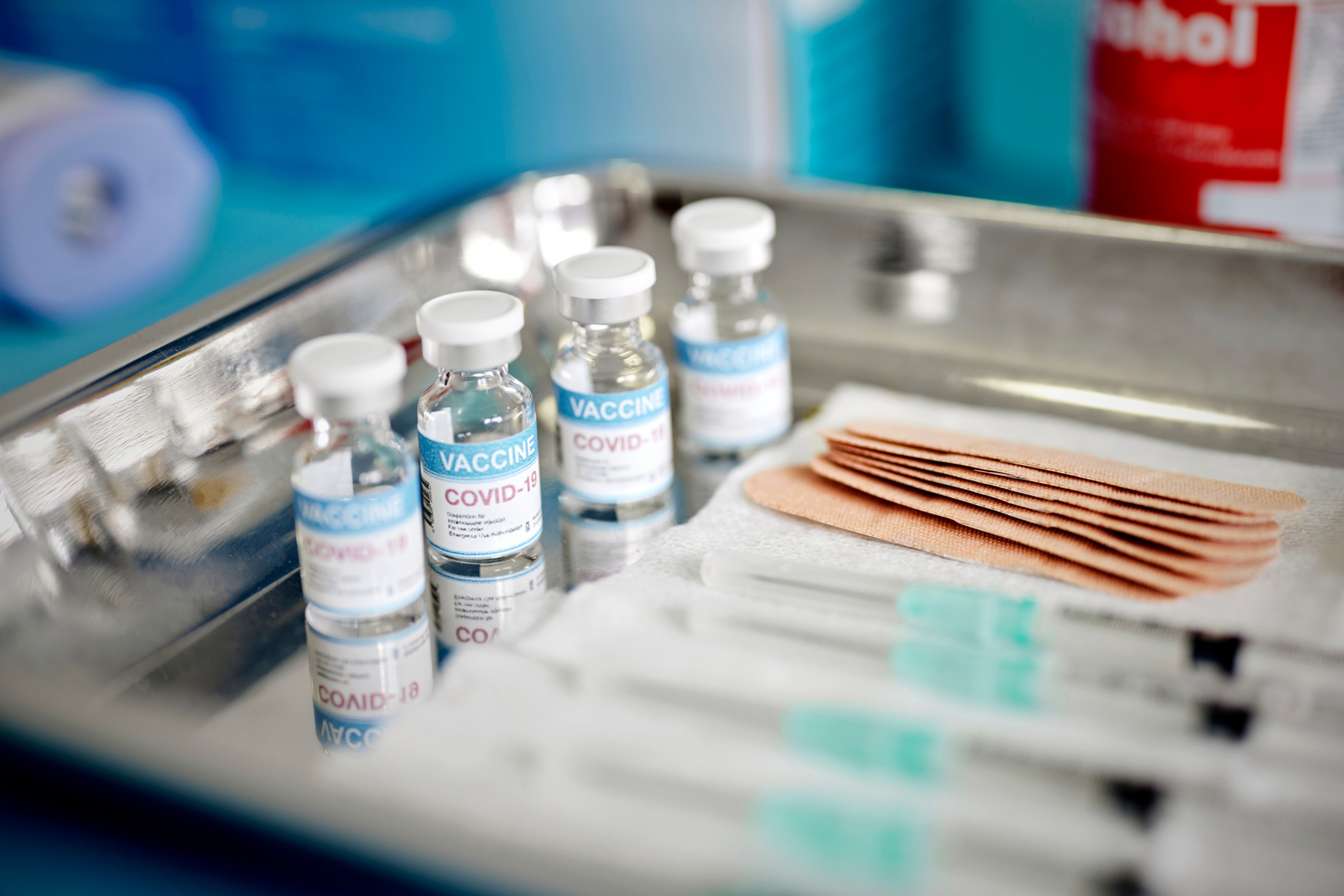
Immune checkpoint inhibitors (ICIs) substantially improve survival in some patients, but immunotherapy with ICIs relies on preexisting anticancer immunity, which is insufficient in many patients. Recently, mRNA vaccines have emerged as a promising strategy to generate anticancer immunity and magnify the effects of ICIs. However, there are challenges with developing personalized cancer vaccines for all patients. Interestingly, there have been multiple case reports of patients receiving ICIs whose tumors spontaneously resolved following COVID-19 mRNA vaccines, suggesting that the activation of the adaptive immune system by foreign antigens expressed in host cells could provide an added boost to cancer immunotherapy. However, it was unclear whether this was just anecdotal evidence or a common trend.
Dr Adam J. Grippin and colleagues evaluated the potential impact of mRNA vaccines on responses to ICIs among patients with non-small cell lung cancer (NSCLC) and melanoma at The University of Texas MD Anderson Cancer Center between January 2015 (before the pandemic) and September 2022. They discovered that the innate immune response to SARS-CoV-2 spike mRNA vaccination resets the cancer immunotherapy cycle and primes adaptive immunity for synergy with ICIs. They also found that receipt of a SARS-CoV-2 mRNA vaccine within 100 days of ICI initiation was associated with improvements in overall survival (OS). Among patients with NSCLC, median OS was 37.3 months vs 20.6 months for those who did not receive the vaccine, and there was a 49% greater 3-year OS among vaccinated patients with NSCLC (HR 0.51; 95% CI 0.37–0.71; P<.0001). Interestingly, OS was similar regardless of whether patients received 1 vaccine or 2. Similar results were found among patients with melanoma, in whom median OS was not reached at last follow-up for vaccinated patients vs 26.67 months among those unvaccinated, and there was a 63% improvement in 3-year OS among vaccinated patients with melanoma. Patients receiving chemotherapy did not achieve the same survival benefit with a COVID-19 vaccine, and those who received a pneumonia or influenza vaccine (neither of which are based on mRNA technology) experienced no improvements in survival.
The timing of vaccination also had a significant impact on the results. The study found patients who had received a COVID-19 mRNA vaccine less than 100 days before biopsy exhibited a 24% increase in mean tumor proportion score (TPS) of PD-L1 compared with patients who had not received any COVID-19 mRNA vaccines before biopsy, and a 41% increase in TPS compared with patients who received an mRNA vaccine 100 or more days before biopsy. Evaluation of a separate cohort of patients with a variety of primary tumor sites and histologies produced similar results, demonstrating that these findings were not limited to NSCLC and melanoma.
The authors attribute the immunomodulatory effects to stimulation of innate immunity, reprogramming of adaptive immunity, and induction of T-cell infiltration by mRNA vaccines. mRNA vaccines targeting nontumor-related antigens could stimulate robust antitumor immune responses that sensitize tumors to ICIs, starting with inducing a surge in antiviral cytokines that drive systemic, innate immune activation and a subsequent surge in cell priming, activation, and tumor infiltration. This enables COVID-19 mRNA vaccines, in combination with ICIs, to overcome the compensatory response whereby tumor cells evade attack by upregulating PD-L1 expression, ultimately leading to tumor regression and improved survival.
High level
The results of this study demonstrate that clinically available mRNA vaccines targeting nontumor antigens are potent immune modulators capable of sensitizing tumors to ICIs. Spike mRNA-lipid nanoparticles could stimulate the production and infiltration of activated, tumor-reactive CD8+ T cells that overcome compensatory expression of PD-1 and PD-L1 in the presence of ICIs. These findings support consideration of systemic, innate immune modulation as a strategy to sensitize tumors to ICIs. There is potential for development of other universal, mRNA therapeutics specifically designed to reset patient immune systems for enhanced response to immunotherapy.
Ground level
The results of the study suggest that the timing of mRNA COVID-19 vaccines might influence treatment trajectories and could eventually provide an over-the-counter means to overcome intrinsic resistance to immune checkpoint inhibitors. A TPS of 50% is a clinically important threshold for determining whether patients with NSCLC are eligible for single-agent immunotherapy instead of chemoimmunotherapy, and patients who received a COVID-19 mRNA vaccine were 29% more likely to meet or exceed that threshold over unvaccinated patients, suggesting that mRNA vaccines have a sufficient impact on TPS to warrant consideration for treatment decisions.