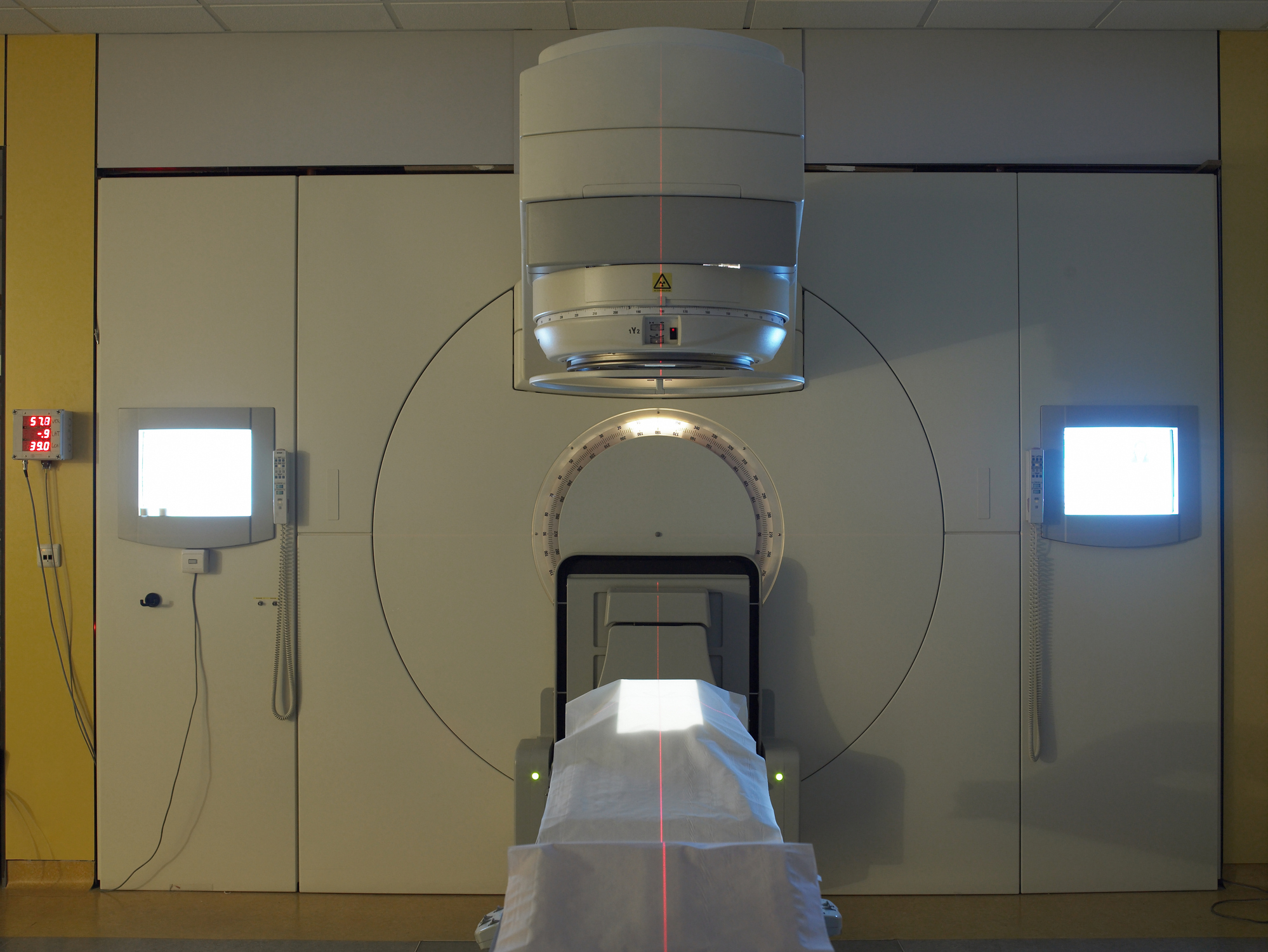
With the rapid evolution of treatments for breast cancer, there has been some uncertainty as to the value of postmastectomy chest-wall irradiation, particularly for patients with limited node involvement. Among patients with breast cancer classified as pN0 (pathologically node negative) or pN1 (with involvement of 1–3 axillary nodes), locoregional recurrence occurs most often on the chest wall, so this area has long been considered a critical target for postmastectomy radiotherapy. However, as treatments have evolved, the benefits of chest-wall irradiation have come into question.
An article in The New England Journal of Medicine recently reported on the SUPREMO (Selective Use of Postoperative Radiotherapy after Mastectomy) trial, conducted by the Medical Research Council-European Organisation for Research and Treatment of Cancer Breast International Group (BIG). This international, phase III, randomized, clinical trial was a 10-year study of the effect on overall survival of postmastectomy chest-wall radiotherapy. The study included women with stage II, intermediate-risk cancer in 1 breast without distant metastases, randomized to chest irradiation (n = 808) or no chest irradiation (n = 799) between August 2006 and April 2013.
The study results showed no significant between-group difference in overall survival at 10 years (hazard ratio [HR] 1.04; 95% CI, 0.82 to 1.30; P = .80). Overall, 1.8% of patients in the study had chest-wall recurrence: 9 (1.1%) in the irradiation group and 20 (2.5%) in the no-irradiation group (HR 0.45; 95% CI, 0.20 to 0.99). However, there was no significant difference in 10-year disease-free survival overall: 76.2% in the irradiation group and 75.5% in the no-irradiation group (HR for recurrence or death 0.97; 95% CI, 0.79 to 1.18). Given these data, with the between-group difference of <2 percentage points for each endpoint, the authors believe there were no meaningful differences due to the radiotherapy. In preplanned subgroup analyses, there was largely no differential effect of irradiation on overall survival or any of the secondary endpoints according to nodal status, age, or molecular subtype. However, it was noted that there were worse outcomes with radiotherapy than with no radiotherapy for patients with triple-negative breast cancer (TNBC), which they posited was due to a detrimental effect of radiation on immune modulation in this breast cancer type. Toxic effects of radiotherapy were mild overall, but there was a higher incidence of lung-related adverse events grade ≥2 in the irradiation group.
High level
The scope of this study across international locations reflects real-world experience and underpins the generalizability of the findings. However, it is unclear whether the “<2%” absolute difference dismissed by the authors might actually be meaningful clinically, as this represents a relative risk increase of more than 2-fold. Nonetheless, advances in systemic therapy have continued to improve disease control and survival since the recruitment period for this trial, strengthening the rationale for omitting chest-wall irradiation for patients with intermediate risk. It is recommended that these results be considered in the evaluation and evolution of clinical pathways and protocols for patients with early breast cancer. Further studies are warranted to investigate the potential for worse outcomes after chest-wall irradiation in patients with TNBC.
Ground level
In the years since this study began, contemporary systemic therapy has surpassed local therapy in survival benefit. Therefore, there has been a corresponding decline in relative benefit from chest-wall irradiation. The findings of this study may influence treatment guidance for this patient population in the near future. Until such guidance emerges, clinicians are encouraged to consider these data critically when developing treatment plans for patients with intermediate-risk breast cancer, especially those with TNBC.