
News & Resources

Expert Perspectives in Melanoma: A Conversation With Dr Alexander Eggermont

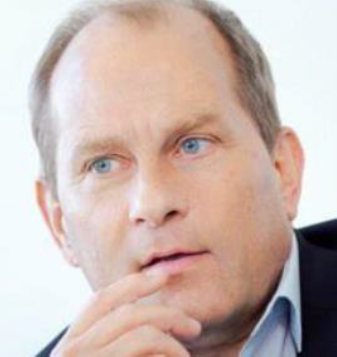
Aptitude Health interviewed Dr Alexander Eggermont to gain his unique perspectives on recent advances and strategic insights in the management of melanoma. Dr Eggermont is Chairman of the Board of the Comprehensive Cancer Center Munich (CCCM) in Germany, the Chief Scientific Officer of the Princess Máxima Center for Pediatric Oncology in the Netherlands, Professor of Clinical & Translational Immunotherapy at the University Medical Center Utrecht in the Netherlands, and emeritus professor of oncology at Paris-Sud University, and emeritus professor of surgical oncology at Erasmus University Rotterdam. He has a PhD in tumor immunology and is a Fellow of the National Cancer Institute Surgery Branch (Steve Rosenberg).

Dr Eggermont has many years of international experience researching and treating cancer and has won a plethora of international awards in recognition of his work, particularly in the field of immunotherapy. His past roles include being president of the European Organisation for Research and Treatment of Cancer (EORTC), the European CanCer Organisation (ECCO), and the European Academy of Cancer Sciences (EACS). In Germany, Dr Eggermont is closely involved in the comprehensive cancer center program of the Deutsche Krebshilfe. He is also editor-in-chief of the European Journal of Cancer.


In your opinion, what is the most important achievement in the treatment of melanoma in the last 5 years?

There are 2. First for me is without doubt neoadjuvant immunotherapy development with the combination of anti–CTLA-4 and anti–PD-1 therapies in melanoma patients with palpable nodal involvement. The 2018 Nature Medicine paper by Christian Blank, et al, from the Netherlands Cancer Institute, provided the biologic understanding of the efficacy of treating such patients with 2 cycles of ipilimumab 3 mg/kg and nivolumab 1 mg/kg. They demonstrated that neoadjuvant treatment expanded T-cell clones already present at baseline multifold in comparison to adjuvant therapy after surgery, and moreover, that neoadjuvant therapy induced a much greater variety of new T-cell clones than adjuvant therapy. With that basic observation, we understood and expected the results in the subsequent trial that demonstrated major responses in about 75% of patients and complete pathologic response (pCR) or near complete pathologic responses (npCR) in about 60%. It then became clear that <10% of these patients relapse and that most of them are cured and do not need further treatment. In the PRADO trial, they went on to demonstrate that if the largest indicator node had a pCR/npCR, therapeutic lymph node dissection could be omitted. That means that the management of melanoma is most likely going to change profoundly – more cures, shorter treatments, and less surgery.

The second major achievement is the rollout of neoadjuvant immunotherapy into other tumors. The ramifications are enormous as Dr John Haanen’s group went on to demonstrate a >90% complete pathologic response rate in microsatellite instability (MSI) colorectal cancers, published in Nature Medicine in 2020. These patients still underwent a resection of their (mostly rectal) MSI cancers, but with this kind of efficacy, those resections will disappear as patients will be followed by endoscopy and magnetic resonance imaging. This development is ongoing in stage T3 muscle layer-invasive bladder cancer, where roughly 45% to 50% pCR rates are seen with PD-1–based approaches, which is expected to lead to a reduction of mutilating bladder resections. Similarly, we will see this development for cutaneous squamous cell carcinomas in the face and in other tumor types. There are now neoadjuvant anti–PD-1–based trials in lung, head and neck, esophageal, esophagogastric junction, gastric, renal, hepatocellular, and other tumor types.


What is your biggest disappointment in melanoma management in the last 5 years?

The biggest disappointment was our failure to break the anti–PD-1 ceiling with agonist antibodies – failure to develop a macrophage checkpoint inhibitor to break their profound immunosuppressive functions. There are some new developments with anti-CD47, anti-SIRP alpha, galectin-3 inhibitors, and other treatment mechanisms, but these are yet to be proven in solid tumors.


What is the most important medical need in melanoma management?

The most important medical need is to cure more melanoma patients. There are a number of developments that will contribute to that:

  1. Neoadjuvant immunotherapy that will cure more patients and will lead to shorter treatments and less surgery (resectable stage IV metastases, palpable nodal stage III, expansion into sentinel-node positive disease).
  2. Identification of patients who, despite relatively low-risk stage IB–IIA, will still relapse and about 50% will die. These patients can be identified by an algorithm of age and Breslow thickness with a gene expression profile of 8 “metastasis-propensity genes”. We published this in the European Journal of Cancer in 2020. This patient population is as large as the whole stage III patient population that is now routinely treated with adjuvant therapy.
  3. Avoiding overtreatment. I think gene expression profiling will one day replace sentinel-node staging and will help clinicians decide whom to treat (neo)adjuvantly. In the end, that will maximize the percentage of melanoma patients that will be cured.


What is the most interesting strategic direction of further development in melanoma?

Neoadjuvant immunotherapy is the most important development, at the moment, that will cure more patients, shorten treatment periods, and reduce surgery.


Do you think we can start talking about cure in patients with melanoma?

We are talking about cure from melanoma right now. The immunotherapy revolution is by far the most important component in that discussion.


How has COVID changed your perspective?

COVID has changed perspectives on life and society . . . the Internet has been taken over by misinformation, manipulation, lying, conspiracy theories, ignorance, and so on. “Liberty and freedom” to not get vaccinated are claimed, but this limits the freedom of those who are vaccinated and prolongs the societal problems, the healthcare problems, and the increased backlog in all the other necessary medical interventions, including cancer management. All this is mainly driven by ignorance, misunderstanding, and manipulation; we should know better and should put societal values and individual societal responsible behavior first. Regarding melanoma, it is clear that in Western Europe and in North America, data show that 20% to 50% fewer melanomas were diagnosed during the peak COVID periods and as a consequence, the thickness of the primary melanomas that are diagnosed has increased and costs lives. I expect these numbers to normalize over the next 12-18 months.

Therapeutic Area

Archives

Matthew Gordon

VP, Real-World Evidence
Matthew has more than 25 years of experience in real-world evidence and observational, non-interventional research. He has led studies across the full life cycle—from startup through publication—supporting objectives that range from understanding a disease’s natural history to fulfilling global safety surveillance requirements. Matthew brings deep expertise in orphan disease programs, having overseen more than 25 long-term, global initiatives, as well as in disease and product registries, prospective pharmacoeconomic studies, and systematic literature reviews. Matthew leads the RWE Registries team, responsible for building the business and team. Prior to joining Aptitude Health, he held senior leadership roles at Parexel, Worldwide Clinical Trials, inVentiv Health Clinical, Quintiles Outcome, and ICON Clinical Research. Matthew holds a BA in sociology from Boston University, is a long-standing member of the International Society for Pharmacoeconomics and Outcomes Research (ISPOR), and is a frequent speaker at ISPOR, the Center for Business Intelligence, and related industry conferences.

Gerald Stanvitch, PhD

VP, Scientific Content

Cate Browning, PhD

VP, Global Medical Affairs

Erin Zingales Rau

VP, Account Services

Kelly Kocor

VP, People & Culture
Kelly leads both the human resources and talent acquisition teams, ensuring that Aptitude Health attracts, retains, and develops top personnel to drive our continued success. With over 17 years of experience transforming global HR initiatives, Kelly is an expert in harmonizing HR policies and fostering a culture of engagement and partnership. She is committed to partnering with all areas of the business to ensure full regulatory compliance and delivering value-added services to our organization and its people. Kelly is passionate about developing and implementing HR strategies that help support our employees’ professional and personal growth. She is dedicated to fostering a culture that encourages innovation, collaboration, and inclusivity, helping Aptitude Health continue to be a great place to work.

Bart Zygmond

VP, Finance
Bart brings a wealth of experience to the organization, having worked in the life sciences, pharmaceuticals, manufacturing, and service industries. With his expertise in financial reporting, US GAAP, SOX, cash flow modeling, and financial analysis, he plays a crucial role in the company’s financial management and strategy. Prior to joining Aptitude Health as VP, Finance, Bart held several controller positions: at Q2 Solutions, he oversaw the global finance team and financial operations, ensuring the accurate and timely financial reporting of the company. He also held controller positions at Domtar Inc and Veristat.

Eugene Vissers, MD

Senior VP, Global Scientific Content
Eugene is a seasoned medical doctor with over 20 years of international experience in pharma, consultancy, and agency environments. Eugene leads the US team of dedicated experts responsible for developing high-quality medical content. Prior to joining Aptitude Health, Eugene served as medical director at Ipsen and AstraZeneca. With both his medical degree and an MBA, Eugene brings a unique perspective to his role. His clinical background, combined with his business acumen, allows him to develop innovative strategies that drive results. Under Eugene’s leadership, the medical content team delivers scientific information of the highest quality, providing valuable insights to our clients around the world.

Adrian Barfield

VP, US Business Development

Kelley Hernandez

Executive VP, US Business Development
Kelley has over 18 years of experience in the oncology space. Kelley joined Aptitude Health after working with Cardinal Health, where she was part of the Healthcare and Analytics Division, and finished her tenure there with VitalSource™ (GPO division). As the leader of the strategic business development team for the US, Kelley brings a wealth of expertise to the organization. Her experience in the healthcare industry, combined with her ability to identify and capitalize on new business opportunities, is invaluable in driving the company’s growth and success. Kelley’s dedication to building strong relationships with life science partners is a testament to her commitment to delivering exceptional value to the healthcare industry.

Adam Sinensky, MBA

Chief Technology Officer

Adam has over 20 years of experience in the healthcare industry and an MBA in healthcare management. After 10 years as a strategy consultant to life science companies, Adam has spent the last decade as a product and strategy leader focused on bringing technology products to market across the payor, provider, and life sciences segments. By combining his business acumen and experience working directly with software developers, engineers, and data scientists, Adam has successfully led numerous product launches and enhancements from ideation to development and go-to-market initiatives. His product and change management expertise has led organizational shifts from services to technology at companies such as Change Healthcare and Datavant/Ciox. At Aptitude Health, Adam is responsible for growing our portfolio of product offerings by leveraging real-world data and artificial intelligence with our existing solutions and industry-leading Axess Network of healthcare providers. He also oversees our IT and cybersecurity teams.

Stefanie Daniels

Chief Commercial Officer

Stefanie is a seasoned healthcare executive with over 20 years of experience in oncology. She brings a wealth of knowledge and expertise to the organization. Stefanie joined Aptitude Health after spending over a decade as a senior director at Physicians’ Education Resource, an oncology CME vendor. During her tenure, she led and managed teams responsible for grant development/acquisition, program creation/execution, and faculty management. Stefanie’s deep understanding of the oncology industry and her ability to lead teams through complex projects make her a vital part of the organization’s success. Her dedication to providing high-quality solutions to our life science partners is a testament to her commitment to improving cancer patient care.

Jason Cash

Chief Financial Officer

Jason is an accomplished finance professional with over 20 years of experience in the pharmaceutical services industry. Throughout his career, he has demonstrated a keen ability to navigate high-growth organizations, delivering exceptional results. Before joining Aptitude Health, Jason served as the CFO of Veristat International, a global contract research organization. In this role, he led the financial strategy and played a pivotal role in driving the company’s growth and success. Jason’s wealth of experience and expertise in financial management make him an essential member of the leadership team. His strategic thinking and ability to drive results are highly respected within the industry.

Jez Moulding

Chief Executive Officer
Jez is a seasoned leader with over 20 years of experience in general management and regional president roles. He has a proven track record of success in the healthcare industry, having worked in the US, Japan, Australia, Korea, South Africa, France, and the UK for Sanofi, where he supported the launch of 10 new drugs across various therapeutic areas. As chief commercial officer at UDG Healthcare and EVP at Ashfield, Jez demonstrated his expertise in developing and implementing successful business strategies. He joined Aptitude Health from Pharmaspectra, an IQVIA business, where he served as CEO since 2018. Jez’s extensive experience in the pharmaceutical industry and his leadership skills make him an invaluable asset to the organization.
Aptitude Health
Privacy Overview

This website uses cookies so that we can provide you with the best user experience possible. Cookie information is stored in your browser and performs functions such as recognising you when you return to our website and helping our team to understand which sections of the website you find most interesting and useful.